


Feature-length documentaries that premiere in festivals and stream into living rooms worldwide. Turning buried histories and living witnesses into films that endure.
Origin
Story.
Chronicle began with a single borrowed camera, a neighborhood in transition, and the belief that every block has a story worth preserving.
In 2009, co-founders Marcus Webb and Priya Nair spent eight months embedded in the Rust Belt city of Gary, Indiana — a steel town whose population had fallen from 170,000 to 70,000 in forty years. The resulting film, Still Standing, screened at Sundance and sold to PBS.
That first film established the Chronicle method: immersive pre-production research measured in months, not days; ethical agreements with every subject; and post-production that treats archive material with the same care as original footage. Fifteen years later, the method hasn't changed. Only the scope has.
Selected
Works.
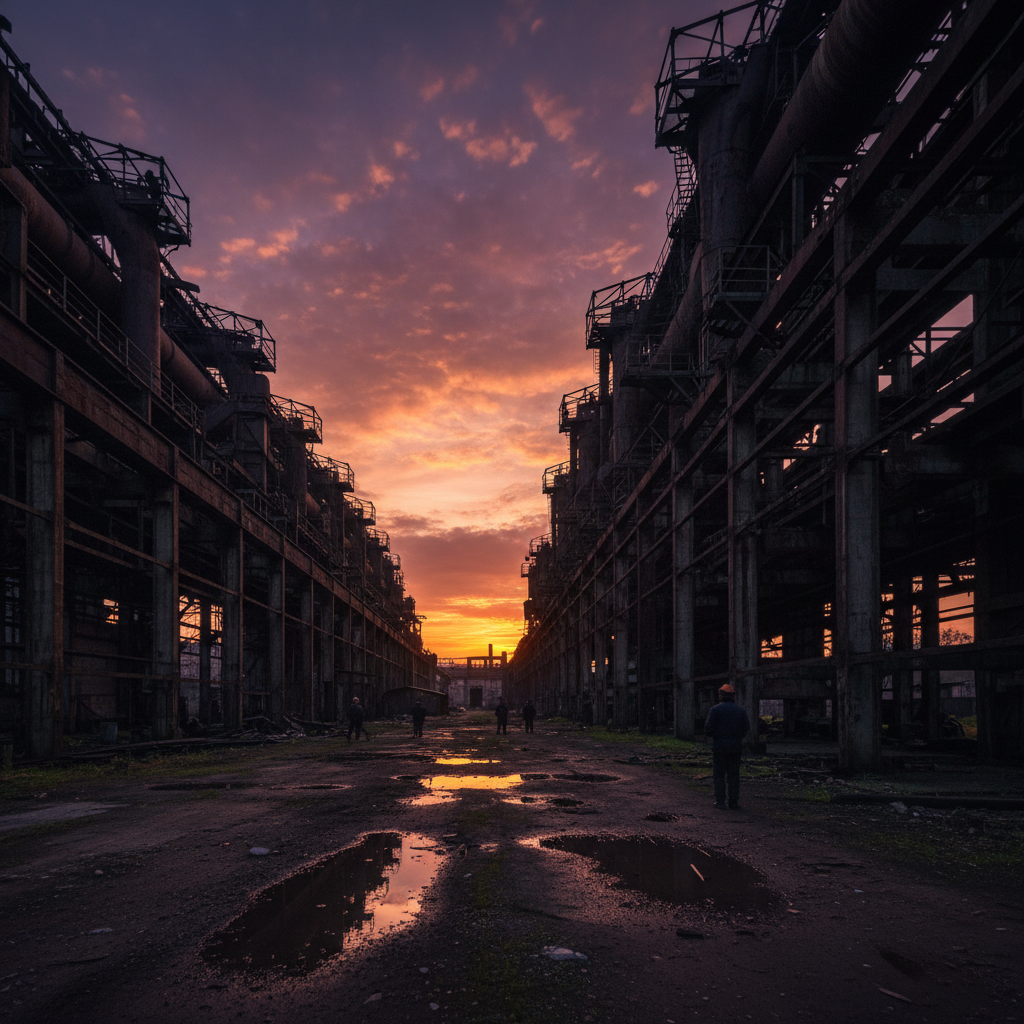
Still Standing
A steel city refuses to become a ghost town.
▶ PBS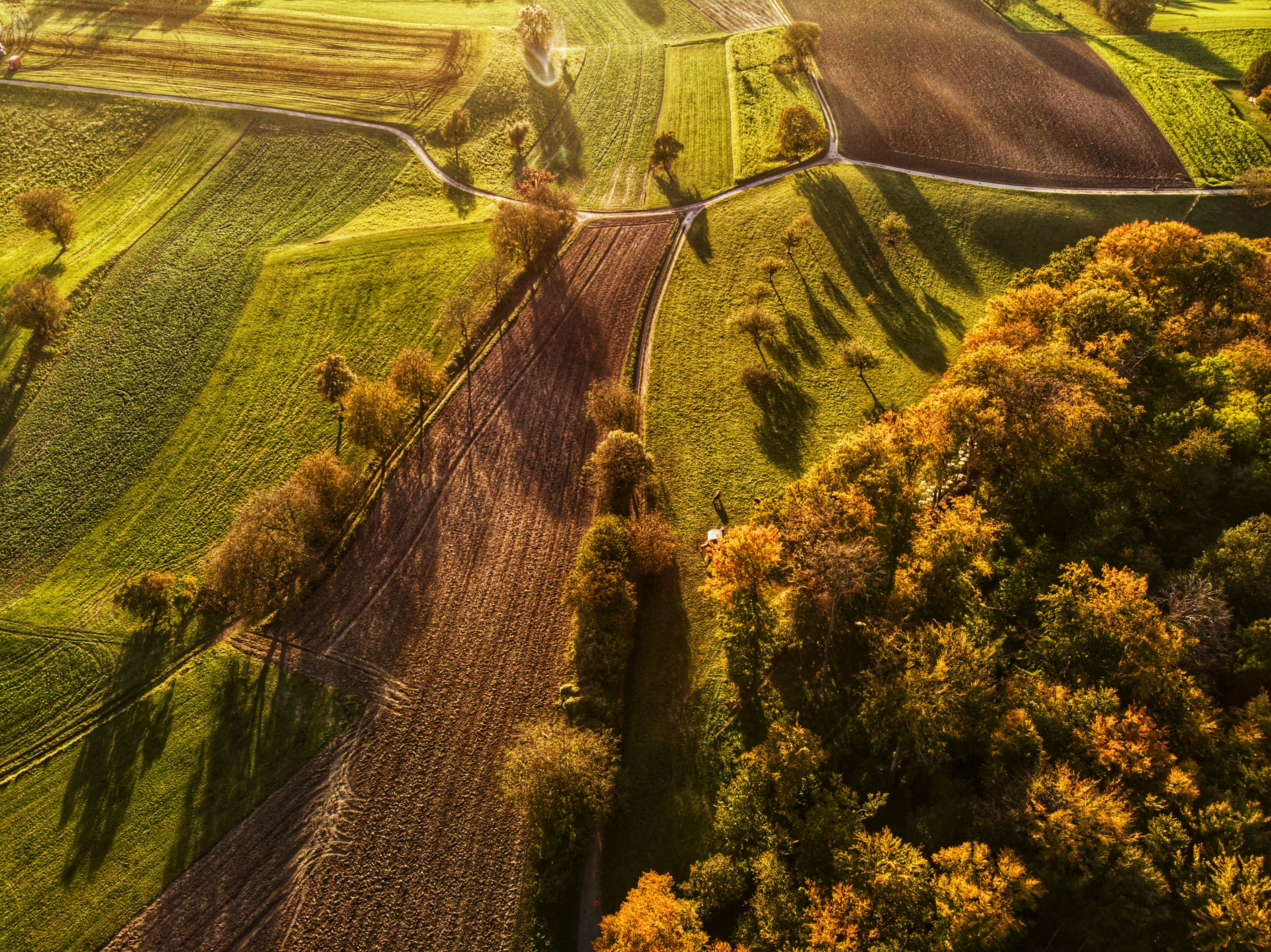
The Inheritance
Three siblings, one farm, fifty years of silence.
Current
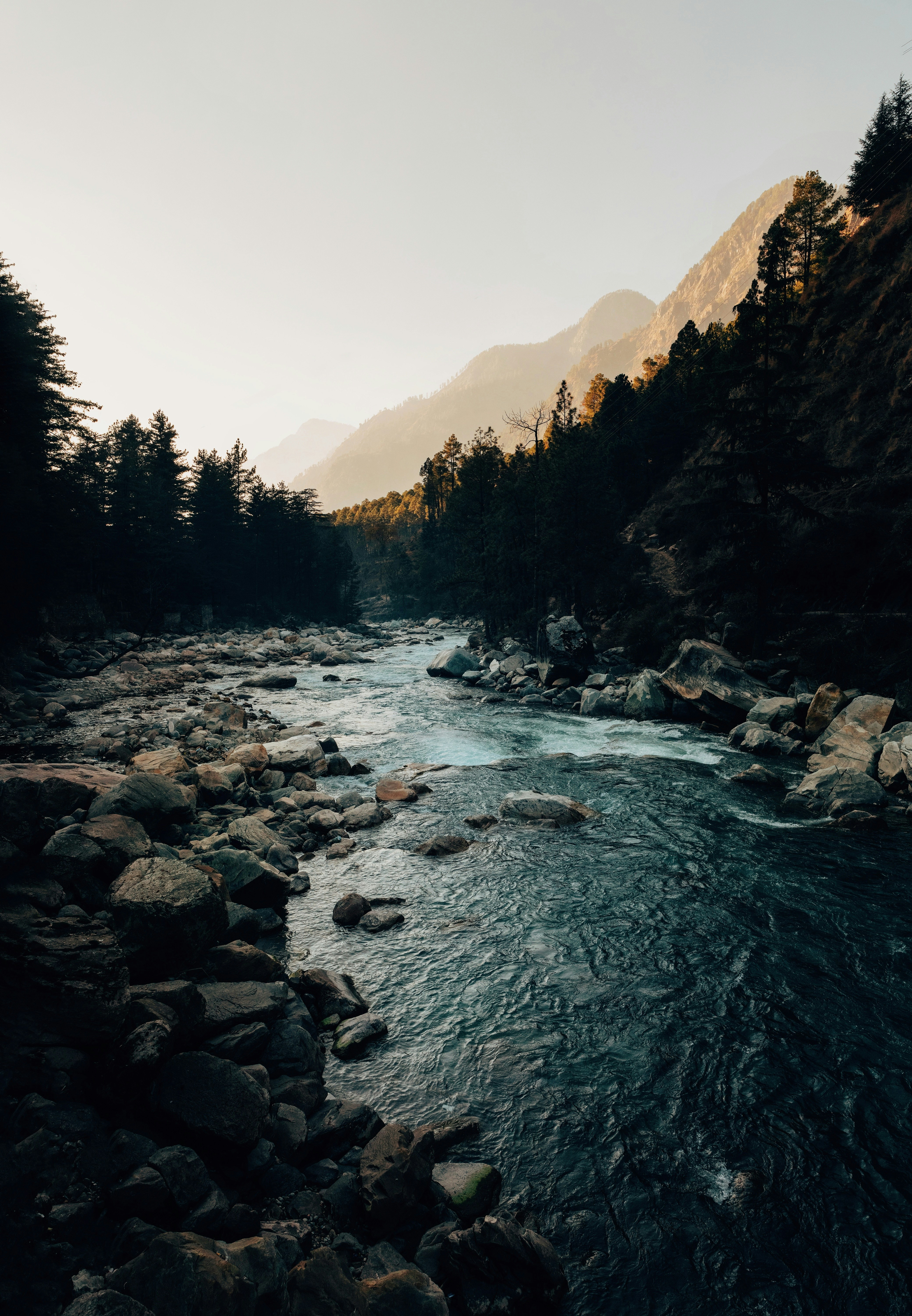
The river remembers every body that crossed it.
▶ Criterion Channel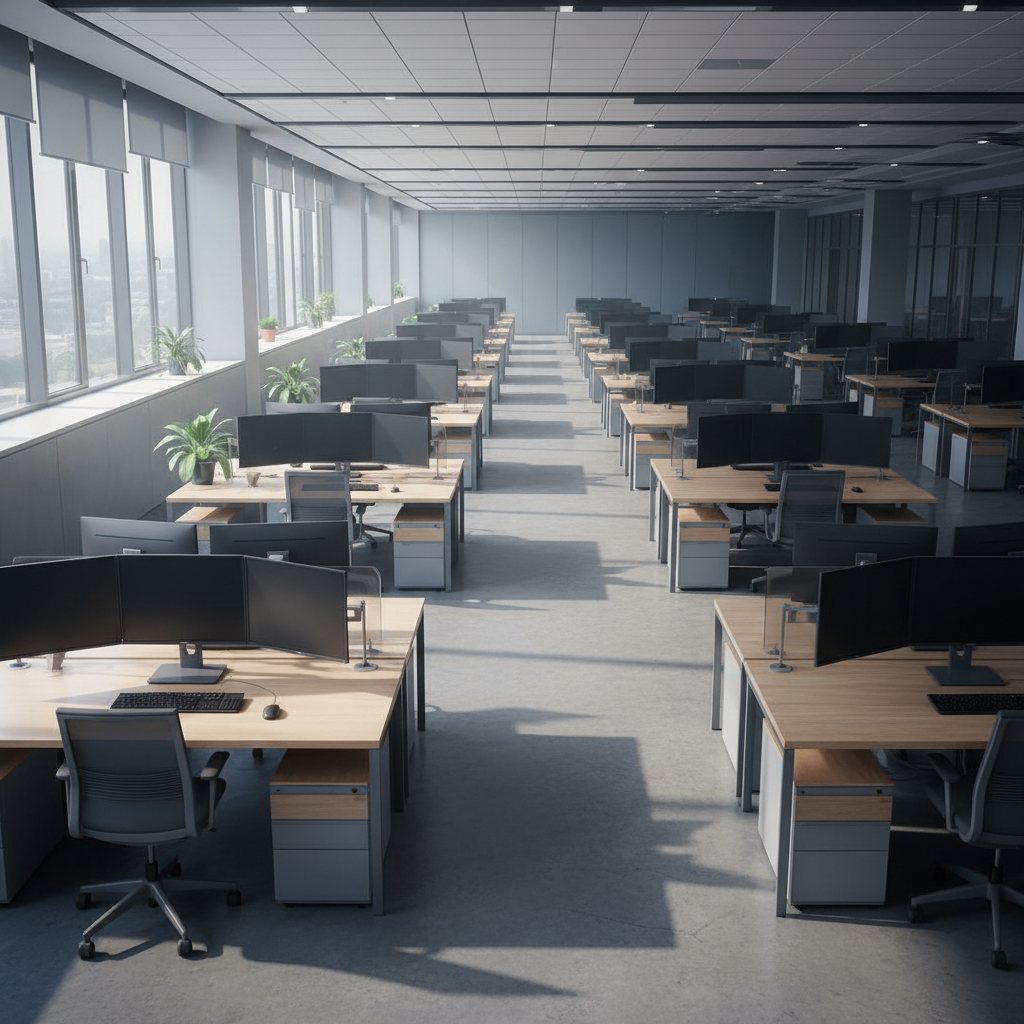
Margins
Inside the newsrooms that didn't survive the algorithm.
▶ Netflix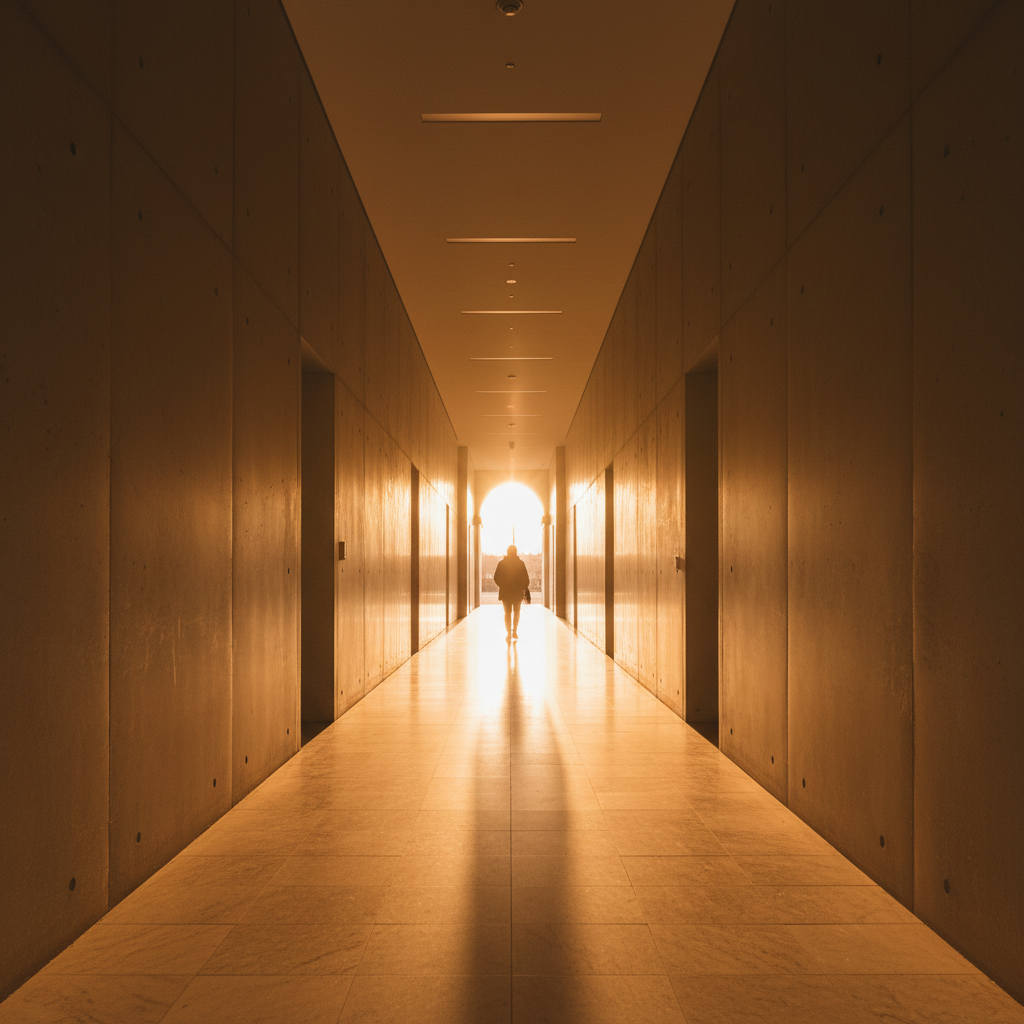
The Long March Home
Veterans of three wars, one VA waiting room, no end date.
▶ HBO MaxDistributed On
The
Method.
Research & Access
"The story you think you're telling is never the story."
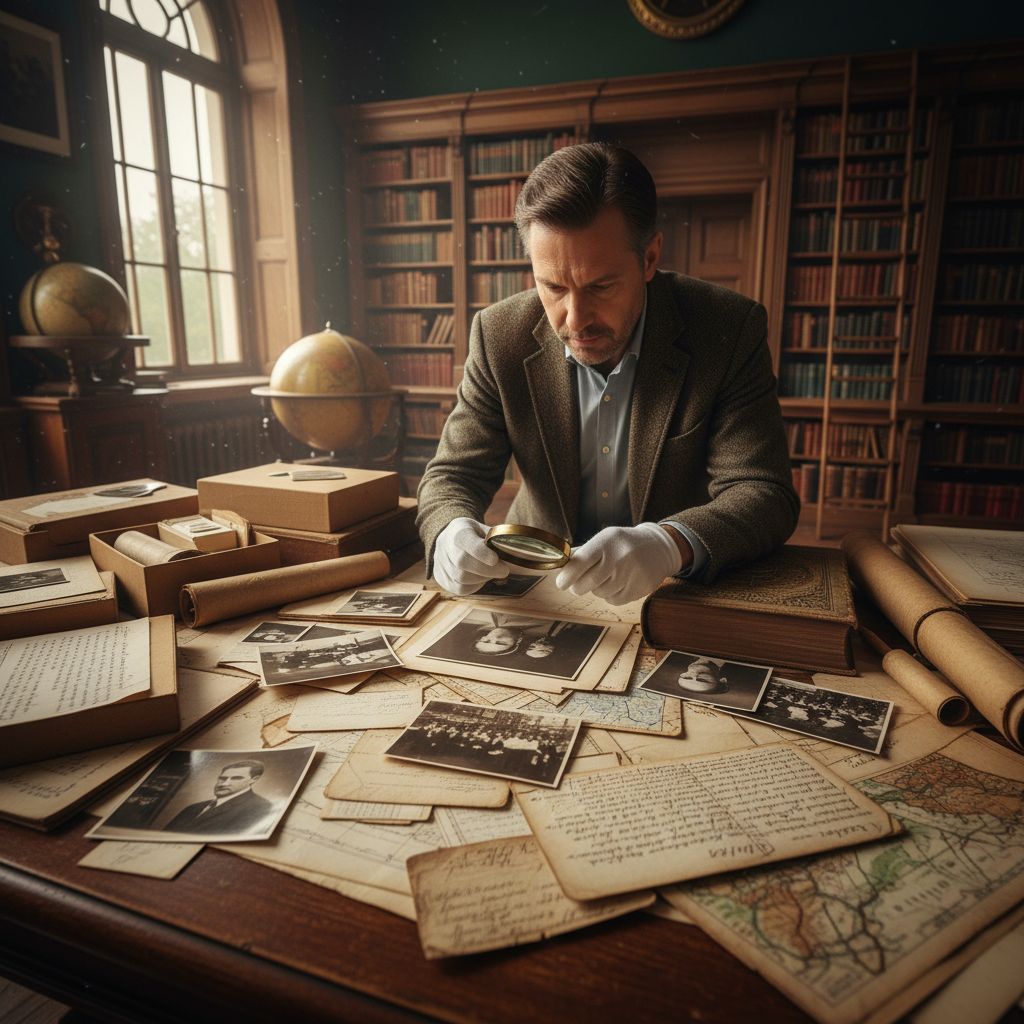
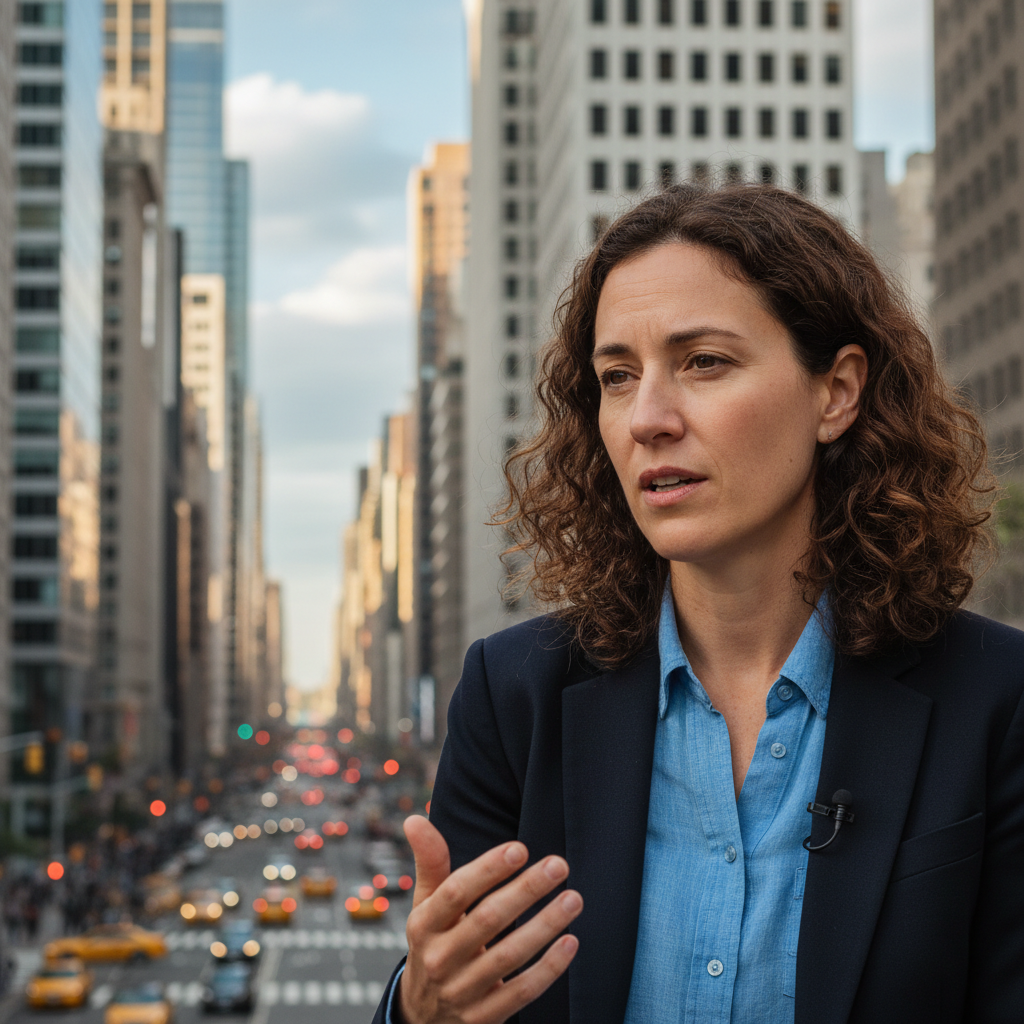
We spend weeks, sometimes months, in the field before a camera rolls. Building trust with subjects, mapping the archive, understanding what's been suppressed and why. The treatment we write at this stage reads like a short story, not a production plan.
Production
"Every frame earns its place or it doesn't stay."
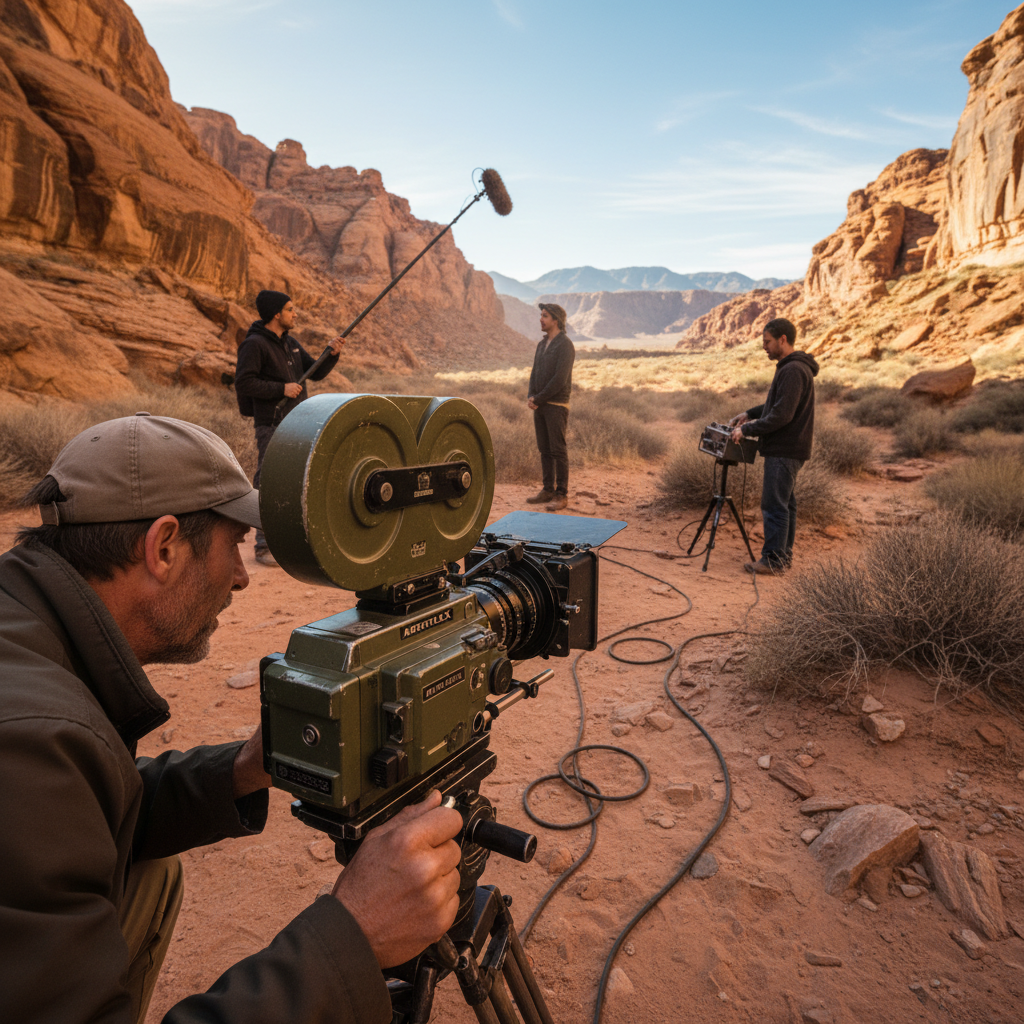
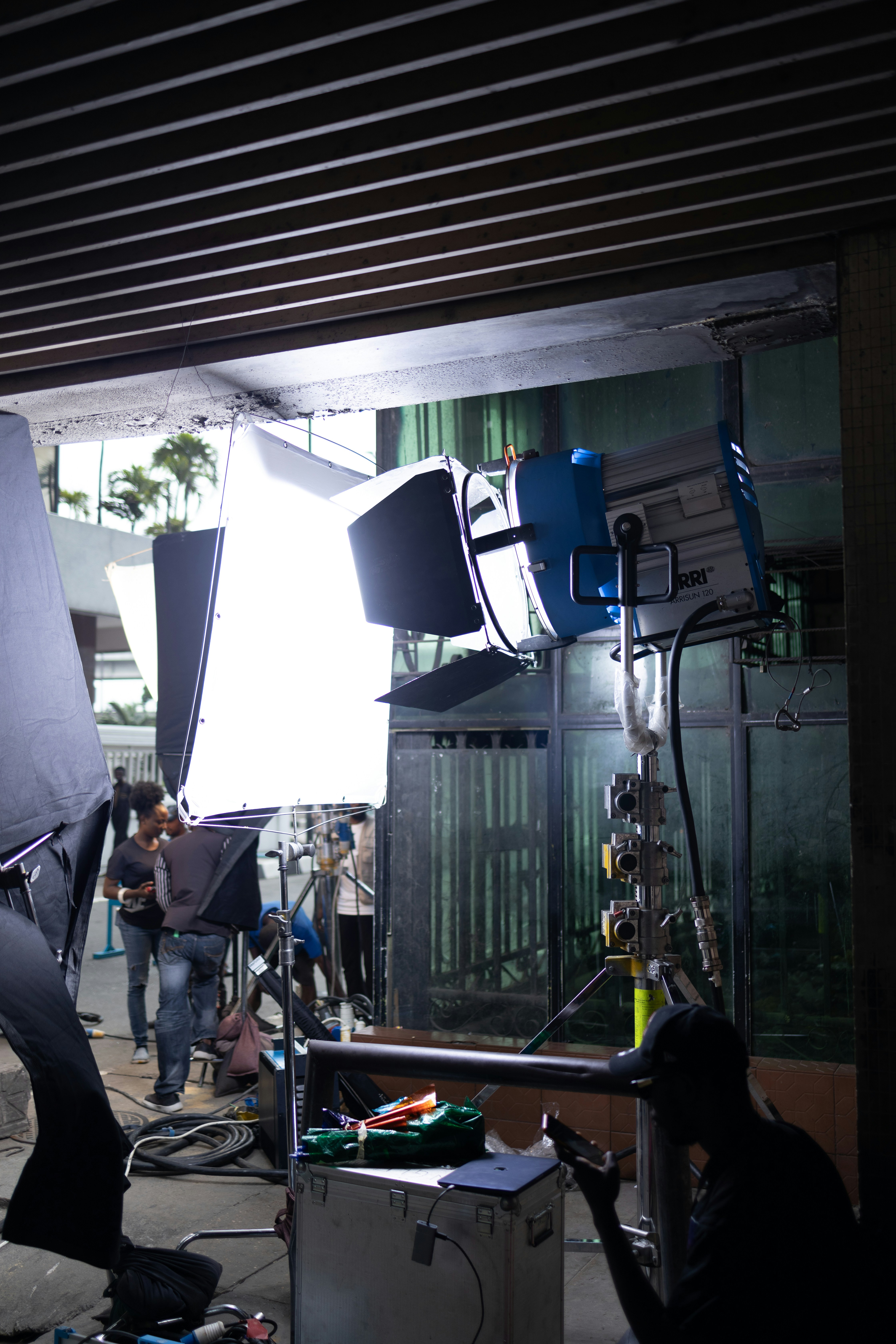
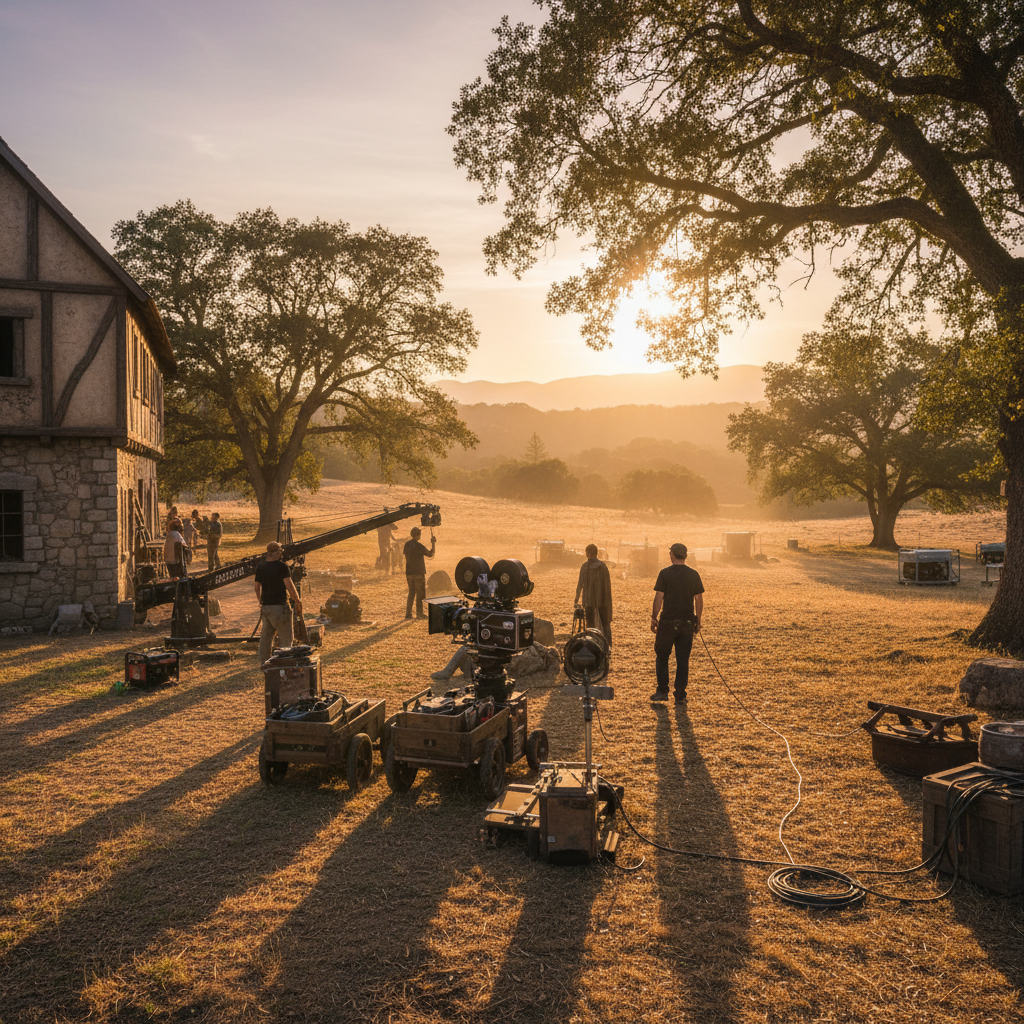
We shoot on a mix of formats — digital 4K for controlled interviews, Super 16mm for observational sequences, drone for geography. Each format serves the emotional register of the scene. Our sound recordists capture room tone for every location. We over-shoot. We cut hard.
Post & Distribution
"The edit is where the documentary is actually written."
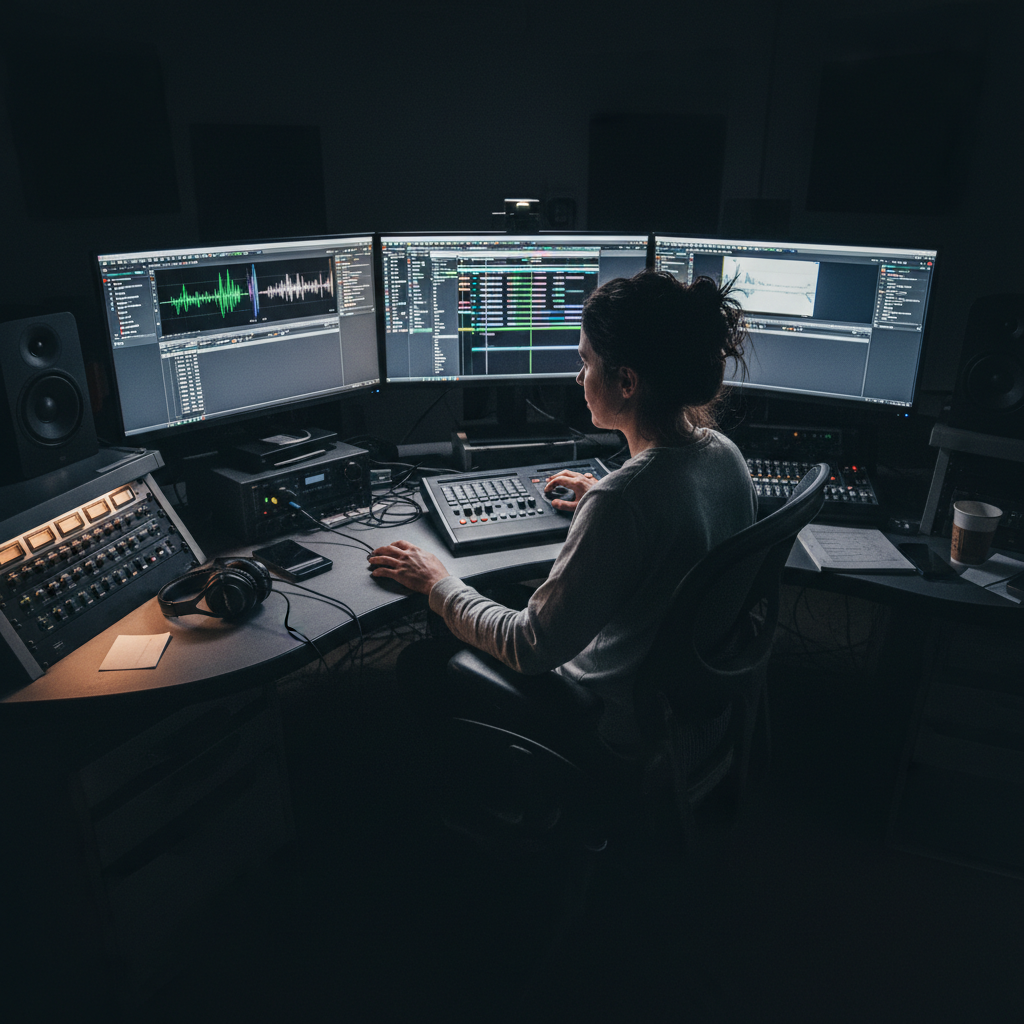
Our editors work in long sessions, often 10–12 hours, building structure from hundreds of hours of material. Color grading follows the emotional arc, not a technical preset. We score original music for every film. Festival strategy, streaming negotiations, and community screenings are built into every production agreement.
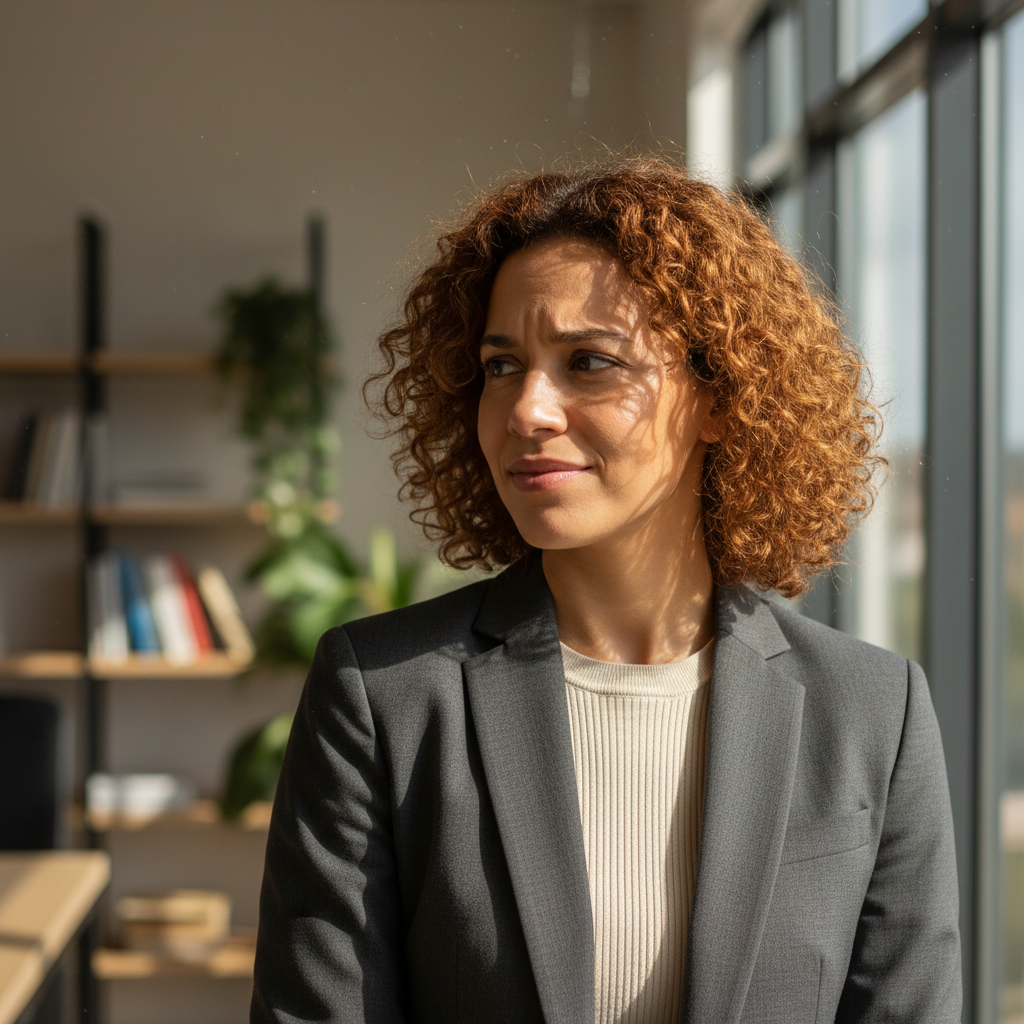
"Chronicle didn't just make our film. They made us understand why the story needed to exist — and then proved it to every festival programmer who saw it."
Your story
is already happening.
Every documentary we've made was commissioned by someone who wasn't sure the story was ready. It always was. The question is only whether someone learns to listen in time.